
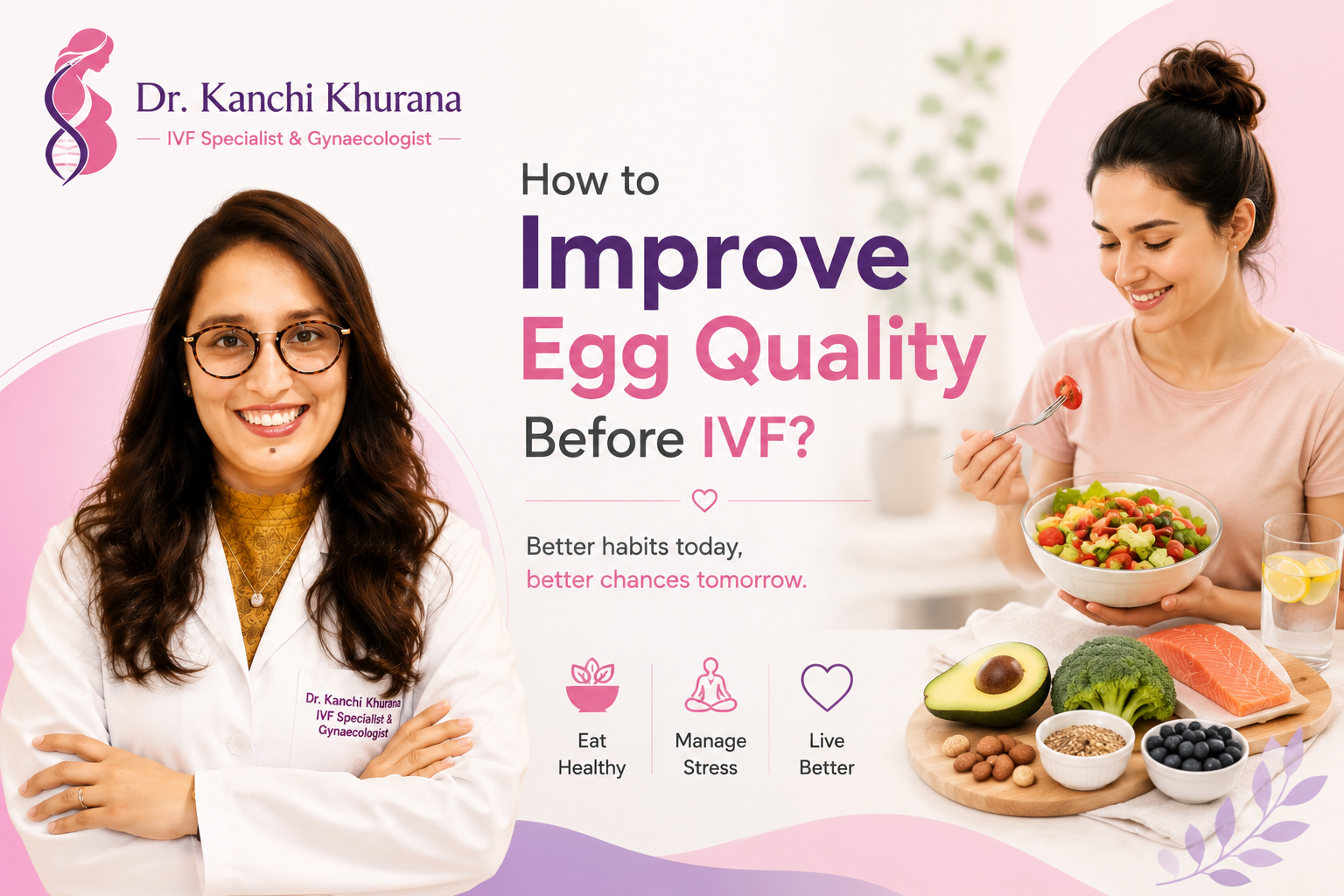
For couples planning IVF, one of the most common concerns is egg quality. While age plays a major role in fertility, lifestyle, nutrition, and overall health can also influence the quality of eggs. Although no method can guarantee success, making healthy changes before IVF may help create a better environment for conception.
What Is Egg Quality?
Egg quality refers to how healthy an egg is and whether it has the potential to be fertilized and develop into a healthy embryo. Good-quality eggs are more likely to result in successful fertilization, implantation, and pregnancy.
As women age, both the number and quality of eggs naturally decline. This is why fertility specialists often recommend preparing your body before starting IVF treatment.
1. Eat a Balanced, Nutrient-Rich Diet
A healthy diet provides the nutrients your body needs to support reproductive health.
Include:
- Fresh fruits and vegetables
- Whole grains
- Lean proteins such as eggs, fish, and pulses
- Healthy fats from nuts, seeds, and avocados
Foods rich in antioxidants, vitamins C and E, folate, and omega-3 fatty acids may help protect eggs from oxidative stress.
2. Maintain a Healthy Weight
Being either underweight or overweight can affect hormone balance and ovulation. Achieving a healthy body weight before IVF may improve your body’s response to fertility medications and support overall reproductive health.
Regular exercise, combined with a balanced diet, can help maintain a healthy weight.
3. Quit Smoking and Limit Alcohol
Smoking is known to reduce egg quality and accelerate the natural decline in ovarian reserve. Excessive alcohol consumption may also negatively affect fertility.
If you’re preparing for IVF, stopping smoking and limiting alcohol are important steps toward improving reproductive health.
4. Get Enough Sleep and Manage Stress
While stress alone does not directly cause infertility, chronic stress can affect overall well-being and hormone balance.
Aim for:
- 7–9 hours of quality sleep each night
- Gentle physical activity like walking or yoga
- Meditation or relaxation techniques
- Taking breaks from work when needed
A healthy mind supports a healthy body throughout the IVF journey.
5. Take Supplements Only Under Medical Guidance
Certain supplements, such as folic acid, vitamin D, CoQ10, or DHEA, may be recommended in selected cases. However, these are not suitable for everyone.
Always consult your fertility specialist before starting any supplements, as the right treatment depends on your age, medical history, and fertility evaluation.
6. Control Medical Conditions
Conditions such as PCOS, thyroid disorders, diabetes, and endometriosis can influence fertility and IVF outcomes if left unmanaged.
Treating these conditions before beginning IVF can help optimize your reproductive health.
When Should You Start Preparing?
Egg development takes approximately three months. Ideally, begin making healthy lifestyle changes at least 2–3 months before your IVF cycle. This gives your body time to respond to positive changes in nutrition, exercise, and overall health.
Consult a Fertility Specialist
Every woman’s fertility journey is different. Age, ovarian reserve, hormone levels, and medical history all play a role in IVF success. A fertility specialist can evaluate your individual situation and recommend the most appropriate treatment plan.
If you’re planning IVF or have concerns about egg quality, consult Dr. Kanchi Khurana, IVF Specialist & Gynaecologist in Chandigarh, for a personalized fertility assessment. Early guidance and the right treatment plan can help you move forward with greater confidence.